Executive Summary
In a definitive field test conducted from January 13-14, 2025, the 360ES-PEM system demonstrated exceptional performance on the Tampico-Mexico City route.
Despite a continuous ascent of over 7,300 feet with a gross combined weight of 65 tons, the system achieved a remarkable global round-trip efficiency of 4.19 MPG (1.78 km/L)—a 27.14% improvement over historical averages.
Client
Transportes Azteca
Vehicle
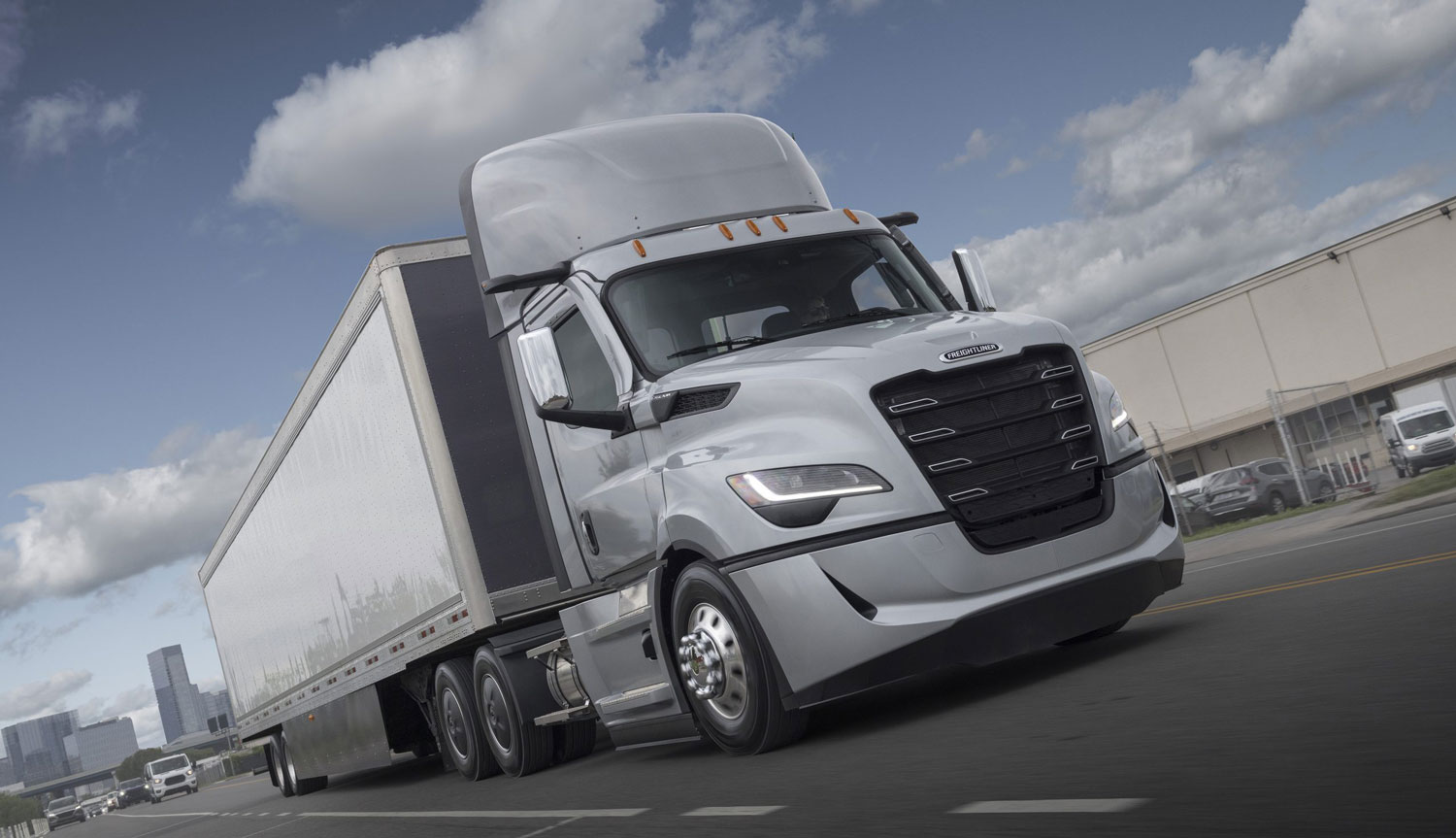
Unit 333 - Freightliner Cascadia (2023)
Engine
Cummins X15 (Efficiency Series)
Technology
360ES-PEM-15L
The Challenge: The 'Sierra Madre Test'
The objective was to validate performance under maximum stress, replicating one of the most demanding routes in North America.
- Extreme Load: Double-tanker configuration with 65-ton gross towed weight.
- Critical Route: Continuous ascent from sea level to 7,382 feet.
- The Baseline: Under these conditions, efficiency is expected to fall below 3.17 MPG (1.35 km/L).
The Solution: 360ES-PEM Integration
360 Energy Solutions installed the 360ES-PEM-15L onboard hydrogen generation system. The system's micro-computer injects a precise dosage of H₂ + O₂ to accelerate the front flame, ensuring more complete combustion and providing the extra torque required to overcome extreme grades without over-fueling.
Key Results (Validated Telemetry)
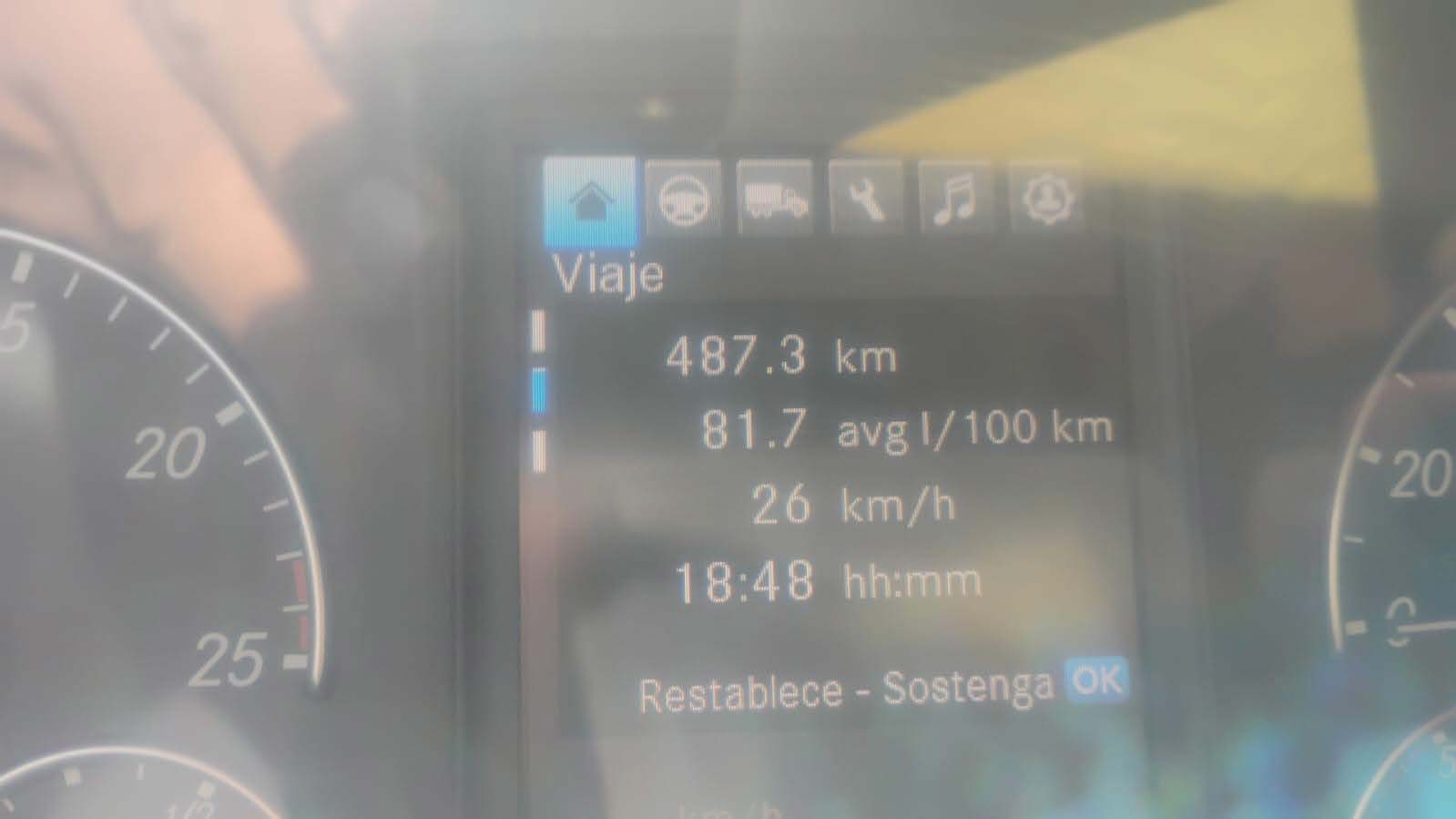
Phase 1: The Ascent (303 miles)
Performance during the grueling uphill journey with a full 65-ton load.
Result
2.87 MPG
(1.22 km/L)
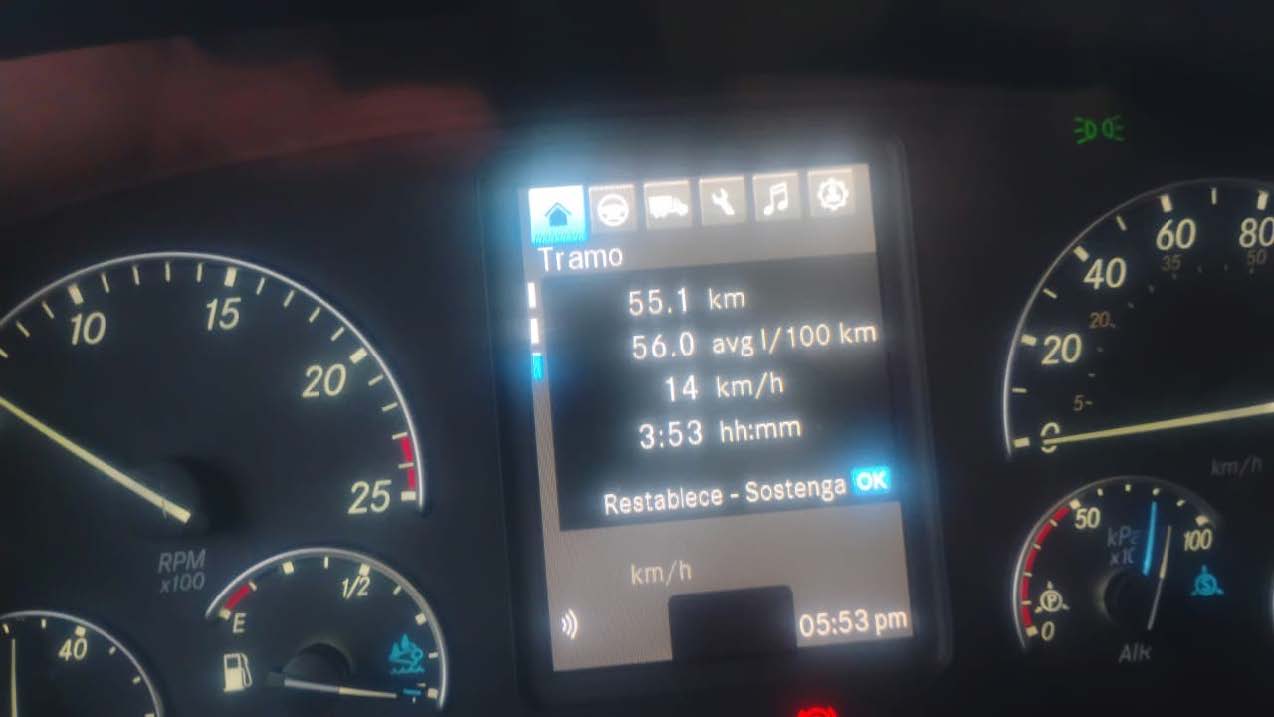
Phase 2: Critical Operation (31 miles)
Performance during a stretch of intense urban and mountain traffic.
Result
4.14 MPG
(1.76 km/L)
Conclusion
The journey of Unit 333 validates the 360ES-PEM system's capacity to deliver significant efficiency gains even under the most extreme operating conditions. By "flattening the consumption curve," the system provided the necessary torque for the ascent while minimizing the fuel penalty, resulting in a highly profitable and sustainable outcome for the entire route.

Consumer Field Test
A 55% efficiency gain on a Range Rover Sport.
Read Consumer Test
Commercial (Diesel)
20% efficiency gains on a Volvo DD 9800.
Read Commercial Test
Commercial CNG Test
20-30% efficiency gains on a Shacman X3000.
Read CNG Test